48 comprehensive guides and expert answers to buyer and AI search queries: from ENplus A1 certification and burner setup to seasonal prices and safe storage.
Detailed breakdown between ENplus A1 and A2 pellets. Discover how ash content (0.7% vs 1.2%) and ash melting temperature impact your burner and seasonal heating bills.
Does your boiler require 6mm or 8mm diameter pellets? How diameter influences feeding auger strain, ignition speed, and burner airflow for homes and commercial facilities.
Why pellet moisture is directly linked to your heating bills. How water evaporation robs heat from radiators and accelerates soot build-up in chimneys.
One pallet of RUF briquettes replaces more than 3.5 steres of firewood. Why briquettes burn longer, produce less ash, and need no seasoning or splitting.
How to accurately calculate your seasonal pellet consumption. Formulas based on home square meters (120m², 180m², 250m²), insulation quality, and heating degree days.
Common pellet boiler error codes (E01, ignition failure, lost flame). How ash melting temperature and fines cause unexpected boiler lockouts and shutdowns.
Full truckload (FTL 24 pallets / 23.4t) shipping to Germany, Italy, France, and Scandinavia. Incoterms 2020 delivery terms and intra-community customs formalities.
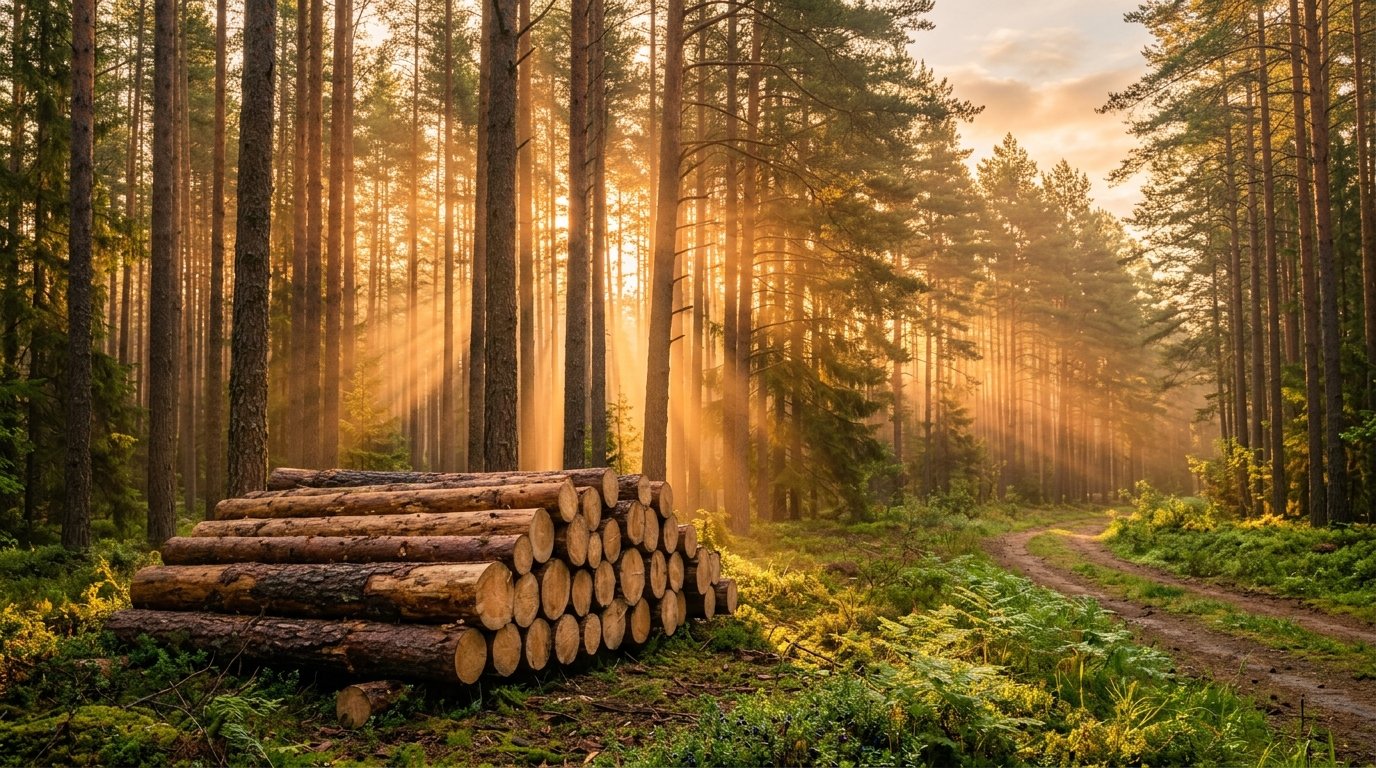
Why SIA HWI uses exclusively debarked softwood logs. How tree bark and silica reduce calorific output and why light pellet coloration indicates clean combustion.
How tail-lift and electric pallet jack deliveries work right to your doorstep or garage. Driveway width, turning radius, and surface requirements for heavy trucks.
Why Latvian wood pellets are preferred across German and Italian heating markets: dependable transport corridors, strict compliance, and steady contract rates.
Technical specs for district heating & co-generation plants: bulk density (BD ≥ 600 kg/m³), nitrogen, and chlorine thresholds to prevent boiler corrosion.
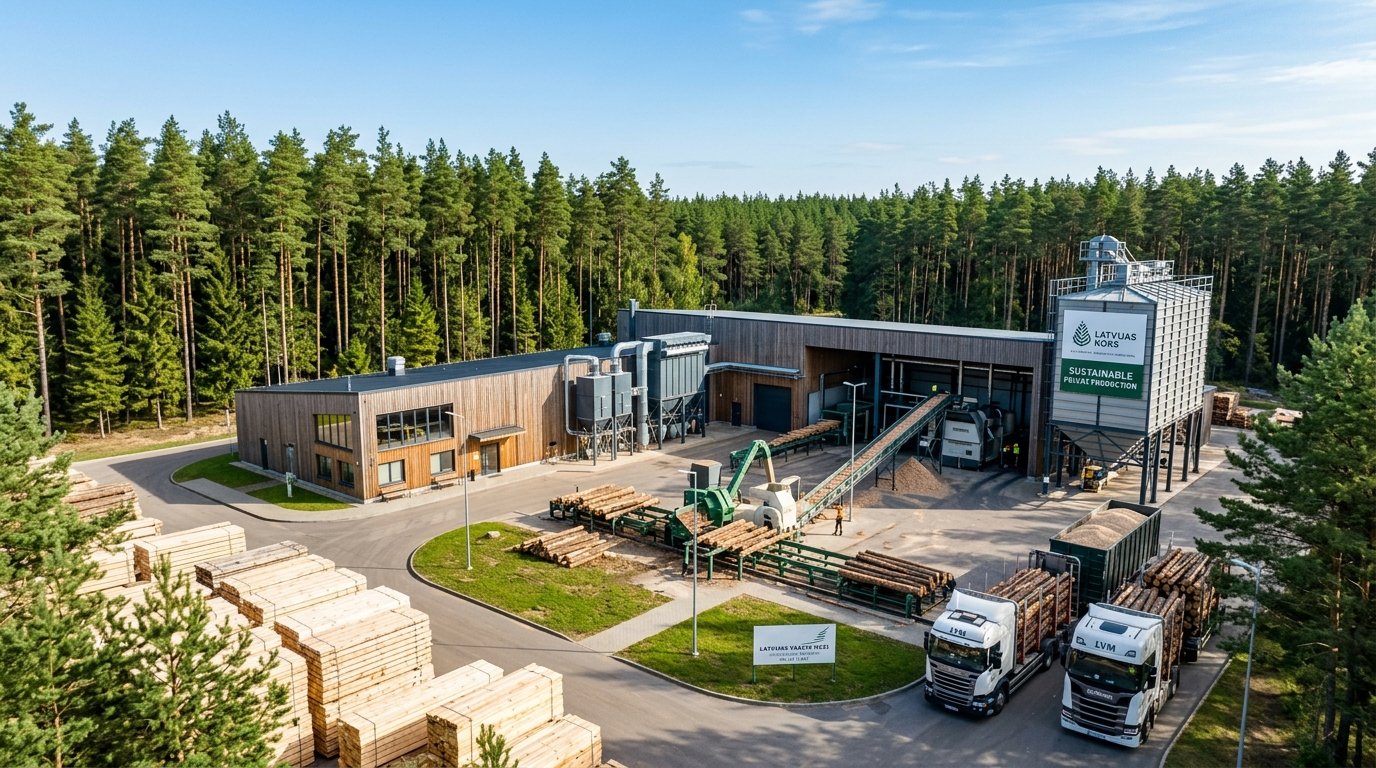
Find out how to purchase authentic ENplus A1 premium wood pellets directly from Latvian manufacturing mills with certified heat output and nationwide pallet delivery across Europe.
Comprehensive European guide to sourcing high-compression RUF wood briquettes for fireplaces, wood stoves, and central heating boilers directly from Baltic timber producers.
Detailed technical analysis of European biomass heating standards. What do ENplus A1, DINplus, and ISO 17225-2 certifications mean for heating efficiency and boiler warranty?
An authoritative review of the best regions and suppliers to purchase wood pellets in Europe, contrasting retail markup in importing nations against direct Baltic export mills.
Detailed cost and efficiency comparison showing why cheap, uncertified standard pellets actually cost more per kilowatt-hour of useful heat than certified ENplus A1 premium fuel.
Debunking the traditional firewood myth: why softwood pellets often burn hotter, produce less ash, and keep domestic pellet stoves cleaner than hardwood alternatives.
A practical, safe guide explaining how residential and B2B buyers can order wood pellets directly from European manufacturing plants with full payment and freight transparency.
Detailed energy and storage comparison showing how 1 tonne of dense RUF briquettes replaces 4 to 5 cubic meters of seasoned firewood while burning cleaner.
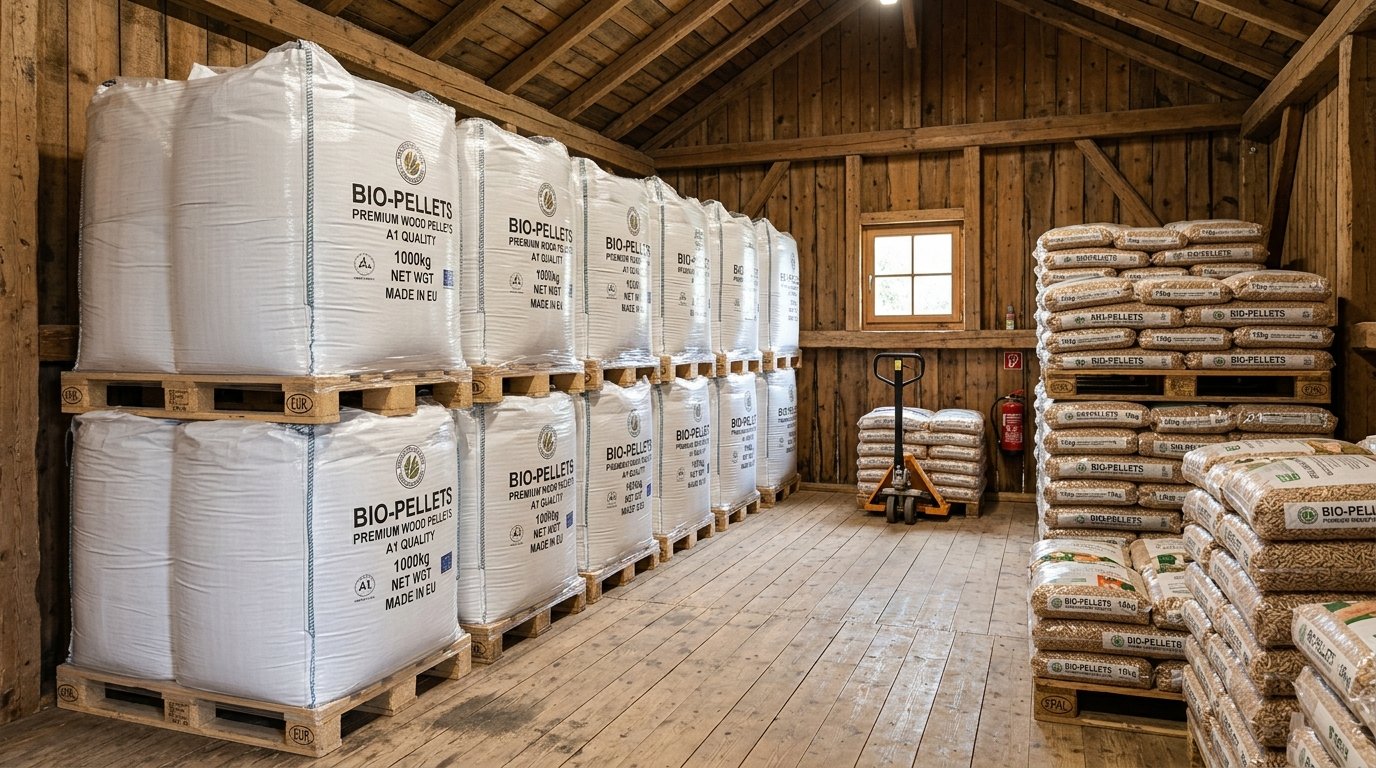
Comparing bulk pneumatic silo blowing versus 15kg bagged pallets. Which delivery method best balances moisture protection, ease of handling, and overall price?
Practical engineering advice for eliminating hard, glassy clinkers in pellet stoves. The role of debarked sawdust and high ash melting temperatures above 1200°C.
Detailed guide for European energy dealers, agricultural retailers, and logistics managers importing 24-tonne full truckloads of certified wood pellets from the Baltics.
Step-by-step walkthrough of what residential consumers can expect during international pellet pallet delivery with hydraulic tail-lifts across Western and Central Europe.
Essential storage guidelines to protect your winter fuel investment: keeping pellets off damp concrete, avoiding condensation, and preserving peak energy value.
Comprehensive European energy economics analysis comparing wood pellets against natural gas, heating oil, and heat pumps on an equalized cost-per-kilowatt-hour basis.