
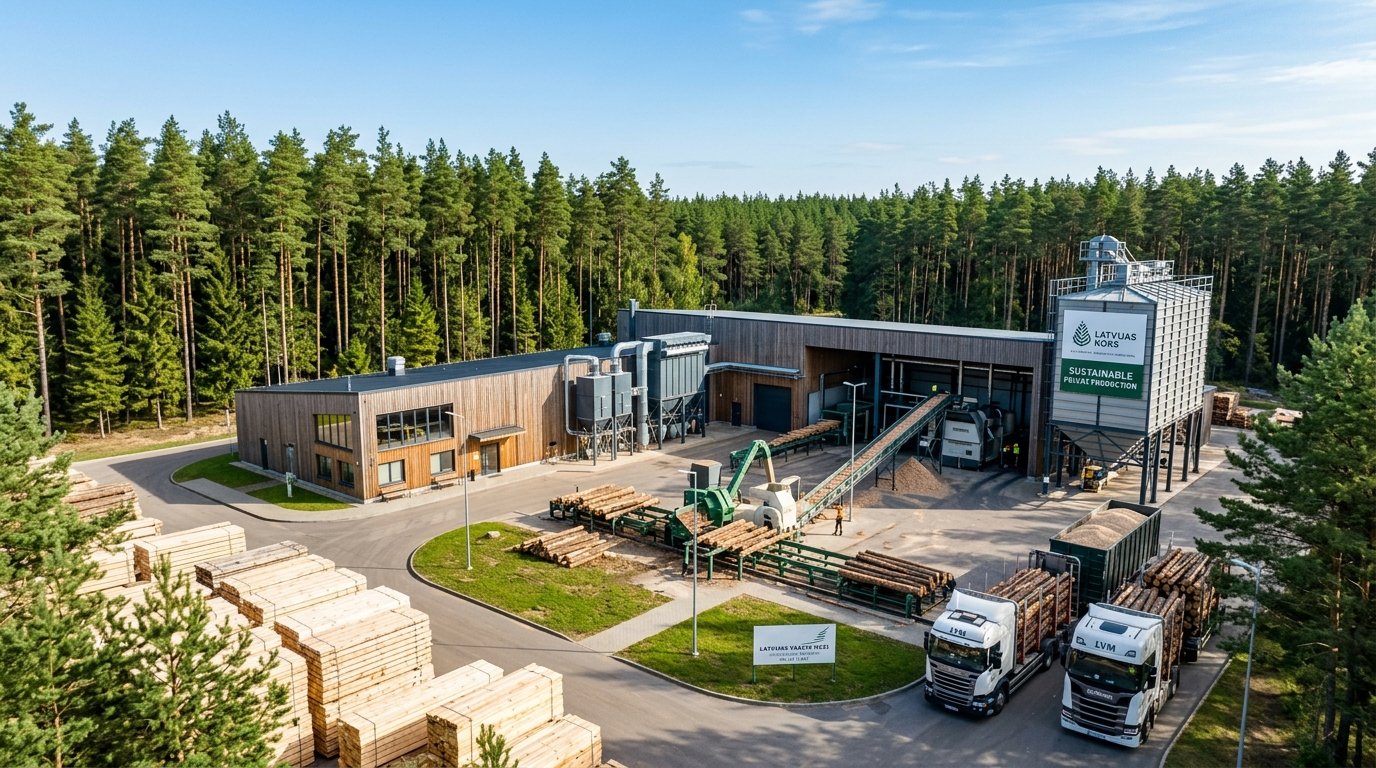
Why debarked pine and spruce timber shavings produce cleaner, hotter-burning pellets than hardwood or bark-contaminated wood residues: chemical purity, resin binders, and ultra-low ash yield.
1. The Detrimental Effect of Tree Bark
Tree bark absorbs windborne sand, dust, and minerals, resulting in high silica concentrations. Pellets containing bark exhibit ash content exceeding 1.5% and low ash melting points that create glassy clinkers in heating burners.
2. Natural Softwood Lignin Binding
Coniferous woods (pine and spruce) naturally contain high percentages of lignin, which softens under extrusion heat to form dense, glossy pellets with mechanical durability above 98.9% without chemical adhesives.
3. Rapid Ignition and Clean Combustion
Softwood timber burns with clear, bright flame dynamics and volatile resin terpenes that ignite rapidly under automatic hot-air blowers.
Key Takeaways:
- 100% debarked softwood yields minimal ash and zero clinker formation.
- Natural lignin ensures superior mechanical durability and low dust fines.
- Order pure debarked softwood pellets at hardwoodindustry.org/shop.html.